
After an injury
When the mechanism, pain, swelling or restriction require specialist assessment.
ORTHOPAEDICS @ SALVEO
History, examination and imaging are considered together to decide whether the appropriate next step is rehabilitation, monitoring, further investigation or discussion of a procedure.

WHEN ORTHOPAEDICS ADDS VALUE
Specialist consultation is useful when there is a clear clinical question and a documented decision is needed.
When the mechanism, pain, swelling or restriction require specialist assessment.
When symptoms continue or progress does not match the plan already followed.
MRI, radiographs or other tests are interpreted alongside symptoms and examination.
When indications, restrictions, phases and rehabilitation coordination need clarification.
BY AREA
Each page explains common presentation patterns, examination and how orthopaedics can connect with rehabilitation.


ORTHOPAEDIC TREATMENTS
The indication, potential benefits, limitations, alternatives and aftercare are discussed individually with the orthopaedic specialist.
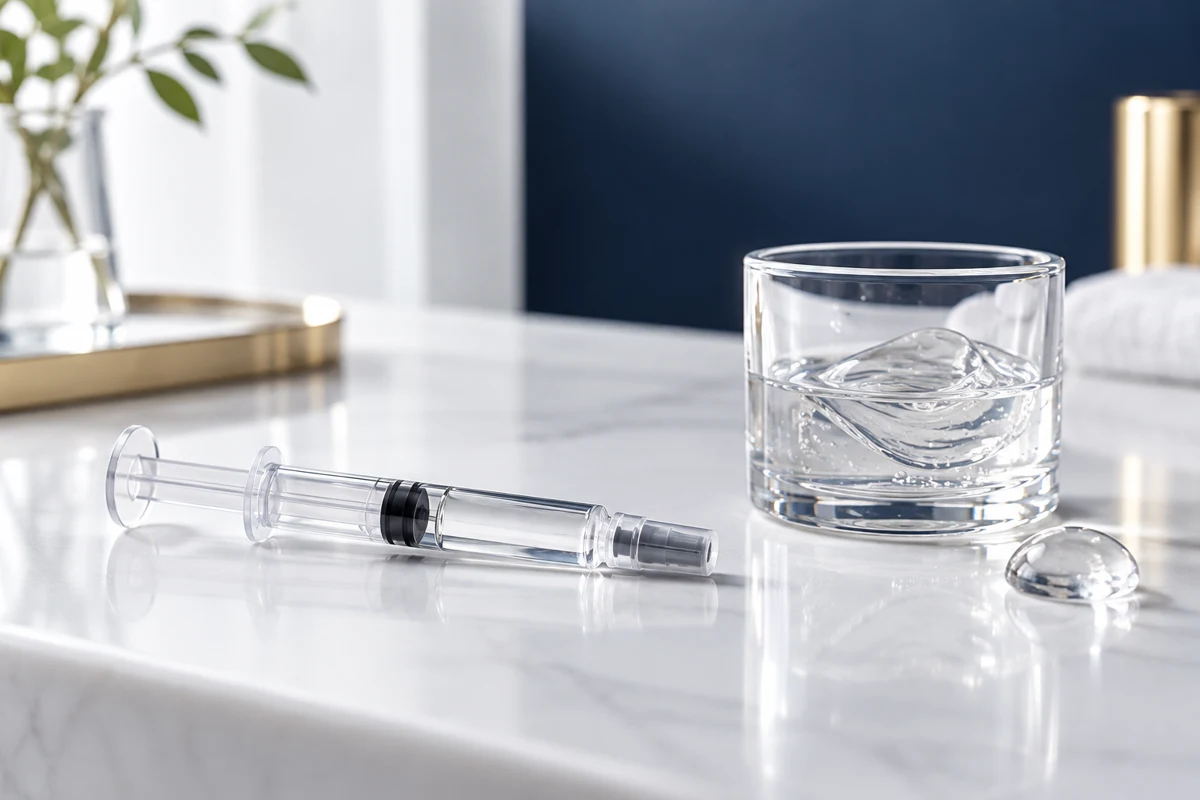 AI-generated illustrative image
Intra-articular injection aims to relieve pain and improve movement, mainly in knee osteoarthritis.
Some patients report gradual improvement, but benefits vary and studies do not show a consistent effect for everyone. Treatment does not rebuild worn cartilage or stop osteoarthritis. Suitability is assessed individually by the orthopaedic specialist.
 Illustrative image
In selected cases, particularly mild to moderate knee osteoarthritis and certain chronic tendon conditions, it may help reduce pain and improve function. Results depend on the diagnosis, preparation method and individual patient characteristics. Improvement may take several weeks; treatment does not guarantee tissue regeneration or complete recovery.
 AI-generated illustrative image
Products containing them may differ in composition and mechanisms of action, so they are assessed individually according to the diagnosis and treatment goal.
Potential benefits for pain and function, as well as risks, are discussed according to the specific ingredient and supporting evidence. The same anti-inflammatory or regenerative effect cannot be attributed to all peptides. The orthopaedic specialist explains the reasons for selection, expectations and alternatives before treatment.
Injections are not suitable for every patient or every joint. The decision follows consultation, informed discussion and documented consent.
TREATMENT MEDIA
Materials are published with documented consent and anonymisation. Results vary between patients.
No material has been published yet.
CONSULTATION PROCESS
By the end of the visit, the patient should understand the findings, options and recommended next step.
Mechanism, duration, symptoms, previous care and goals establish the context.
Movement, stability, strength, function and relevant clinical signs are assessed.
MRI or radiographs are connected with symptoms and examination rather than read in isolation.
The next step may involve rehabilitation, monitoring, further investigation, a procedure or another opinion.
Progress and response are reviewed, with coordination continuing when required.
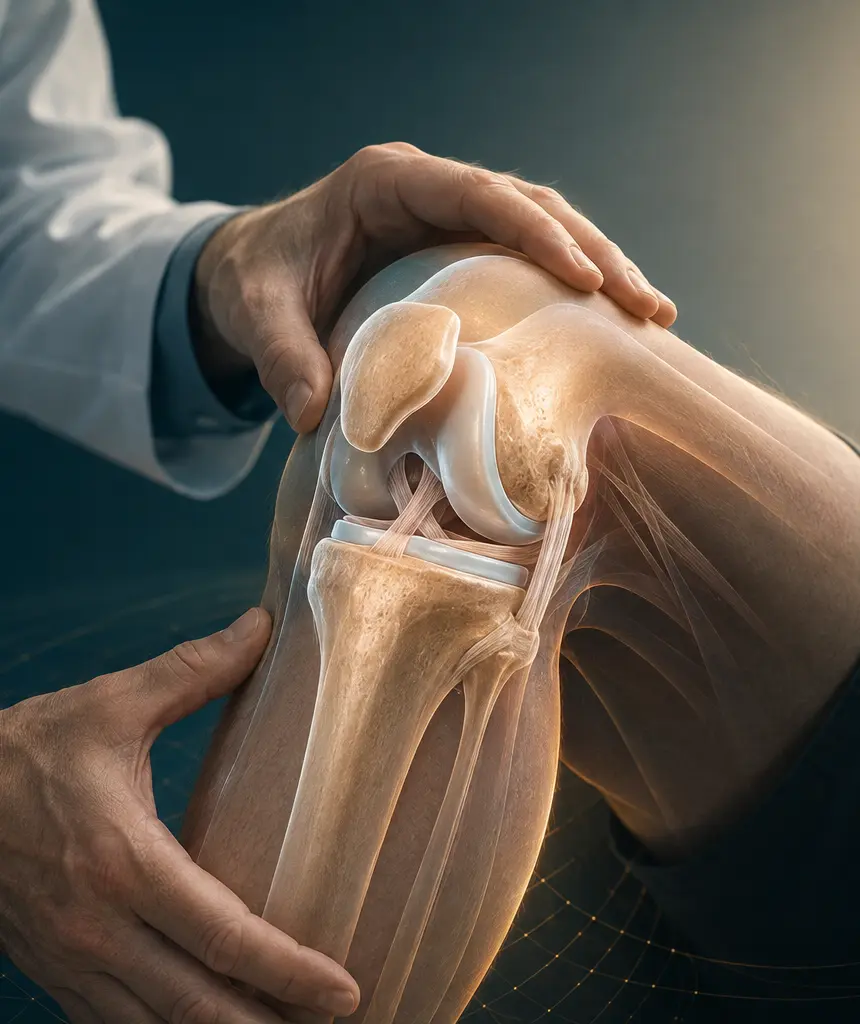
DIAGNOSTIC EXAMINATIONS
Structural findings become meaningful when connected with symptoms, examination and function.
Do not arrange new MRI or radiographs automatically before consultation. Bring the images and reports you already have.
COMMON QUESTIONS
General guidance for orthopaedic consultation; individual decisions follow examination.
Bring existing images and reports, relevant medication or treatment information, and a brief timeline of symptoms.
Not necessarily. The need for imaging depends on the history, examination and clinical question.
Yes. When needed, findings and recommendations connect with the rehabilitation plan.
Timing depends on the working diagnosis, chosen plan and information that needs reassessment.
BOOK AN ASSESSMENT
Contact the clinic or complete the request. It is sent securely to the clinic portal and confirmed by the team.